
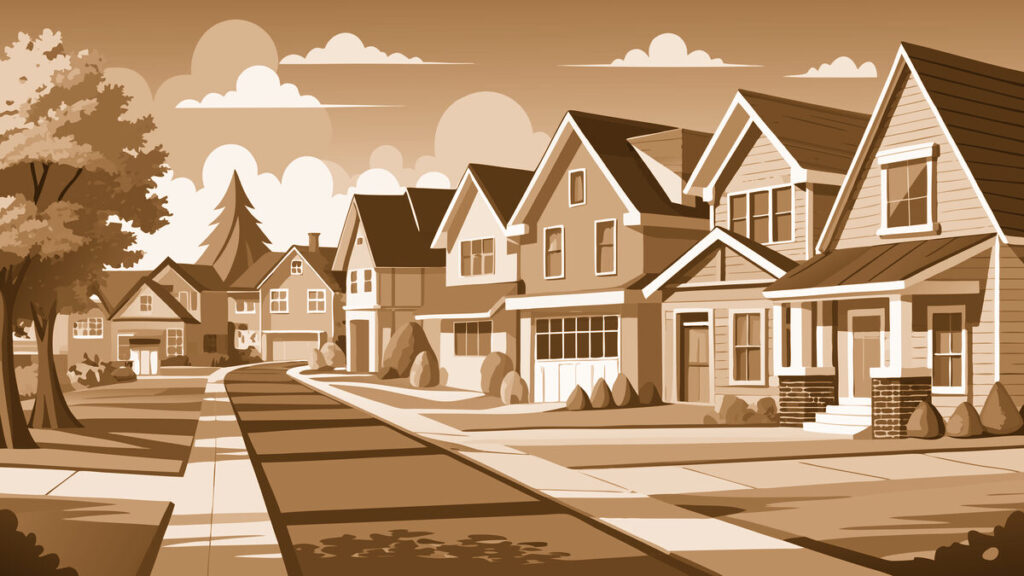
Nestled along the tree-lined streets of southeastern Middletown, the Wadsworth Historic District is one of the city’s most cherished neighborhoods. With its elegant homes, storied past, and enduring sense of community, this district embodies both the rich heritage and modern vitality that define Middletown.
Origins: Roots Deep in Middletown’s Early Days
The story of the Wadsworth Historic District begins in the early 19th century, at a time when Middletown was blossoming into a bustling river port and trade hub along the Connecticut River. This neighborhood’s land was originally part of the extensive farm and estate holdings of the Wadsworth family—most notably Colonel Jeremiah Wadsworth, a prominent figure during and after the Revolutionary War.
It was Colonel Wadsworth’s influence, and that of his descendants, that shaped the area’s character and lasting name. The Wadsworth family participated not only in local governance but also contributed significantly to the cultural and economic spheres of Middletown for generations.
Naming the Neighborhood
The name “Wadsworth Historic District” serves as a tribute to these early visionaries, whose stewardship of the land set the stage for the neighborhood that blossomed here. Their commitment to community, infrastructure, and the land lives on, echoed in the distinctive homes and quiet lanes of the district. You’ll still find the Wadsworth name woven through Middletown history books, trail markers, and the collective memory of residents.
Key Historical Milestones
- Early to Mid-1800s: As Middletown grew, so did demand for stately homes and tree-filled avenues. The neighborhood began to take shape, following a traditional grid pattern.
- Civil War Era: Several district homes doubled as gathering spots for abolitionists and supporters of the Underground Railroad. Oral tradition holds that secret passageways exist beneath a few properties—silent reminders of daring escapes toward freedom.
- Late 19th Century: Wadsworth Street, alongside adjacent Church Street and Silver Street, became showcase avenues for lavish Victorian and Italianate residences. These buildings boasted ornate woodwork, turreted roofs, and wrap-around porches, a testament to the prosperity of the era.
- Early 20th Century: As automobile ownership rose, the district witnessed new architecture—Craftsman-style bungalows and Colonial Revival homes—each adding variety and charm while honoring the community’s enduring character.
- Postwar Changes: The neighborhood remained resilient amid suburbanization, with many families staying put, ensuring the continued care and preservation of their historic homes.
- National Recognition: Officially designated a National Register Historic District in the late 20th century, the area’s significance was nationally recognized, bringing renewed interest and funding for preservation efforts.
Notable Landmarks and Institutions
Walking the shady sidewalks of the Wadsworth Historic District feels a bit like stepping back in time. Look for these neighborhood highlights:
- The Wadsworth Mansion at Long Hill Estate: Just south of the historic district boundary, this grand turn-of-the-century mansion and its lush grounds are open for public events and tours, serving as a touchstone for local history and community gatherings.
- Wadsworth Street and Silver Street: These streets feature many of the district’s most elegant Victorian and Italianate homes, including several with original carriage houses, hand-carved details, and well-tended gardens.
- St. John’s Roman Catholic Church (Main Street Extension): A striking historic structure notable for its brickwork and Gothic Revival architecture, it has anchored local spiritual life since the late 1800s.
- Wadsworth Park: Though more residential and pocket-sized than sprawling, this local green space is a favorite for neighborhood gatherings, dog-walkers, and kids at play.
- Nearby Wesleyan University: While technically outside the district boundaries, the presence of Wesleyan has helped shape the neighborhood’s intellectual and cultural richness, with many professors and students having called Wadsworth home over the years.
Changes and Continuity: The District’s Evolution
The Wadsworth Historic District has gracefully balanced progress with preservation. Over the decades, careful stewardship by residents, aided by the Middletown Preservation and Design Commission, has kept the area's distinctive look and neighborly spirit alive.
While many of the homes maintain their original facades, new generations of residents have adapted them for contemporary life—think energy-efficient upgrades behind original stained glass windows, or lovingly restored porches where neighbors still gather to catch up.
The neighborhood continues to welcome people from all backgrounds, with a strong sense of pride and shared responsibility. Annual block parties, holiday tours of homes, and historical lectures foster community bonds and preserve the oral histories that make the place truly special.
Wadsworth’s leafy streets, dappled with sunshine, serve as both a refuge from the bustle of Main Street and a living museum where Middletown’s story is told in brick, stone, and timeworn wood.
What Makes Wadsworth Special Today
- Walkability: The district’s compact footprint, gentle hills, and mature trees make it a joy to explore on foot or by bike.
- Community Pride: Residents are dedicated to keeping up both appearance and tradition, making Wadsworth one of Middletown’s most sought-after places to call home.
- Accessibility: While tranquil, the district is mere blocks from downtown Middletown’s attractions, shopping, dining, and the Connecticut River—close enough to enjoy, yet far enough to savor peace and quiet.
- A Living Link to Middletown’s Story: Every corner offers reminders of days gone by, but the district remains very much alive—welcoming new chapters, memories, and residents year after year.
Whether you’re a history buff, architecture lover, or simply someone in search of a warm, tight-knit community, the Wadsworth Historic District offers a unique window into the heart and history of Middletown, Connecticut.